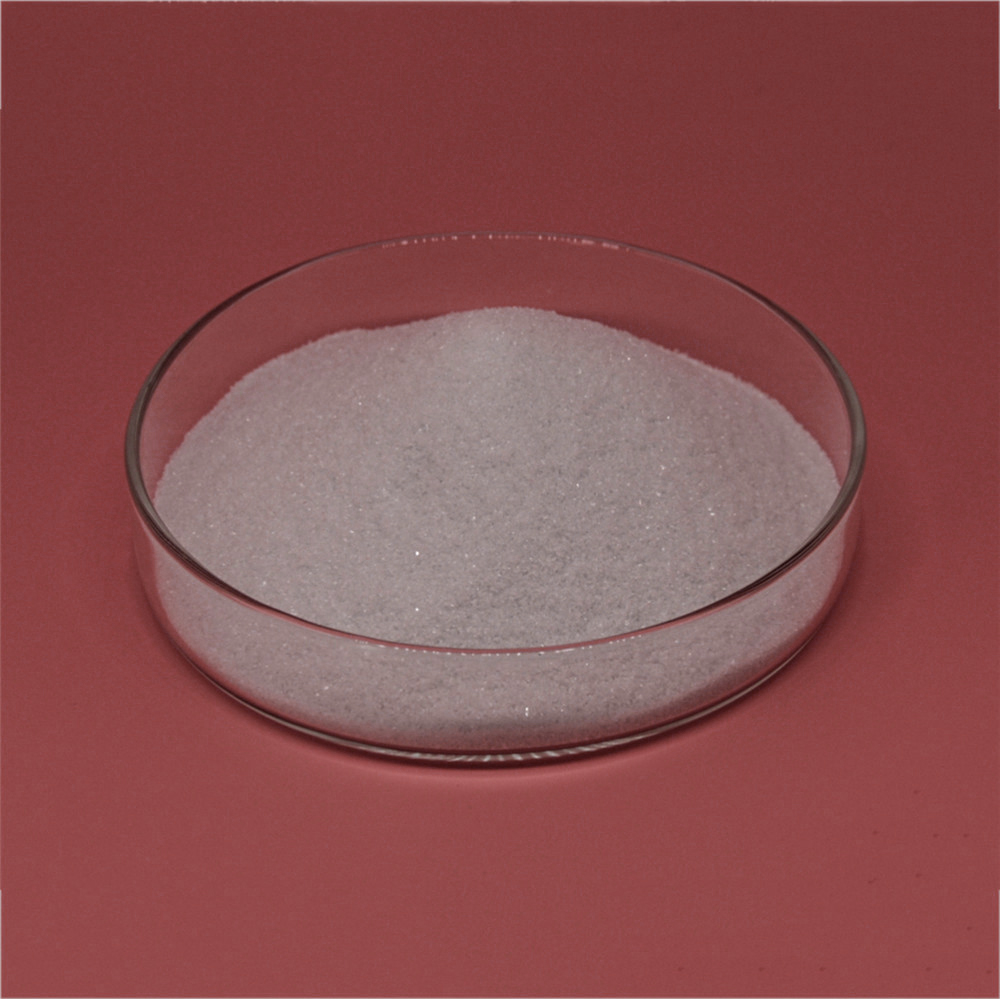
Process Parameters of White Fused Alumina 220# (F220/220 Mesh) for Alloy Tool Sandblasting
1. Basic Information of Abrasive
White Fused Alumina Material: White Fused Alumina (WA)
fused alumina Grain Size: 220# / F220 / 220 Mesh
fused aluminum oxide Main Composition: Al₂O₃ ≥ 99.5%
corundum Mohs Hardness: 9.0
corundum Mohs Hardness: 9.0
Features: Iron-free contamination, good self-sharpening performance and uniform grain size. Suitable for surface treatment of precision tools.
2. Core Sandblasting Process
Working Air Pressure
Standard condition: 0.35~0.5 MPa
Thin edges / Tool tips / Precision cutting edges: 0.30~0.35 MPa (to prevent edge chipping and damage)
Spraying Distance: 12~22 cm
Spraying Angle: 55°~70°. 90° vertical spraying on cutting edges is strictly prohibited.
Gun Operation: Move at a constant speed; do not stay at a single spot.
3. Surface Effect Indicators
Surface Roughness: Ra 1.0~3.2 μm
Appearance: Fine and uniform matte finish without obvious scratches or pits.
4. Application Scenarios
- Pre-treatment for coating, nitriding and plating of cemented carbide tools and high-speed steel precision tools
- Removal of slight oxide scale and tiny burrs on surfaces
- Uniform matte finishing and fine surface modification of tools
- Special sandblasting for ultra-thin edges and high-precision formed tools
5. Pre-treatment & Post-treatment
Pre-treatment
Fully degrease and dry workpieces to avoid fine abrasive embedding into gaps.
Abrasive Usage
Recyclable for 4 to 6 times. Sift regularly to remove dust and broken grains; ensure effective dust protection.
Post-treatment
Thoroughly blow off residues with compressed air after sandblasting. Conduct ultrasonic cleaning for ultra-precision workpieces to eliminate residual abrasives.
6. Common Abnormalities & Rectification
- Minor notches / chipped edges: Caused by excessive air pressure or vertical spraying → Reduce air pressure and adjust spraying angle
- Hazy surface and poor cleanliness: Caused by excessive dust in abrasives → Sift abrasives or replace with new ones
- Poor adhesion of subsequent coating: Caused by insufficient surface roughness → Slightly shorten spraying distance; keep air pressure no higher than 0.5 MPa