
The size (grit) of white fused alumina (WFA) used for stone polishing is not a single number but a progressive series that refines the stone surface step-by-step to achieve a mirror finish.
The choice depends on the type of stone (marble, granite, etc.) and the stage of polishing. Fineness is typically measured in grit (mesh size) or microns (µm).
Here is a detailed breakdown of the standard sizes and their applications:
Polishing Stage & Recommended White Fused Alumina Sizes
| Stage | Primary Goal | WFA Grit Size (Mesh) | Approx. Particle Size (Microns) | Notes |
|---|---|---|---|---|
| Grinding / Leveling | Remove deep scratches, lippage, shape stone. | 60# – 320# | ~250 µm – ~40 µm | Coarse grits. Used on diamond grinding tools or resin-bonded pads for heavy material removal. |
| Honing / Fine Grinding | Smooth the surface, eliminate coarse grit scratches. | 400# – 800# | ~35 µm – ~15 µm | Creates a uniform, matte-to-satin finish. Essential preparation for polishing. |
| Pre-Polishing | Begin to develop gloss, refine the surface further. | 1000# – 2000# | ~13 µm – ~6.5 µm | Starts to bring out significant shine. Critical step for final clarity. |
| Polishing | Achieve high-gloss, mirror finish. | 3000# – 10000#+ | ~5 µm – ~1.2 µm or less | The most commonly used final grits are 3000# and 5000#. Applied with polishing powders/pastes or fine resin pads. |
Stone-Specific Guidelines:
For Marble, Limestone, Travertine (Softer Calcareous Stones):
Polishes relatively easily.
Typical Sequence: 400# → 800# → 1500# → 3000# → (Optional 5000# for ultra-high gloss).
Often, polishing up to 3000# yields an excellent mirror finish.
For Granite, Quartzite, Engineered Quartz (Hard Siliceous Stones):
Harder and more abrasion-resistant, requiring finer grits to fully develop the shine.
Typical Sequence: 200# → 400# → 800# → 1500# → 3000# → 5000# (→ 10000#).
Using 5000# or higher is highly recommended to unlock the full depth and reflectivity of the crystal structure.
Key Forms of White Fused Alumina for Polishing:
Bonded Abrasives (Pads/Blocks): The abrasive grains are embedded in a resin or metal bond. You buy a pad labeled with the grit (e.g., “3000 grit polishing pad”).
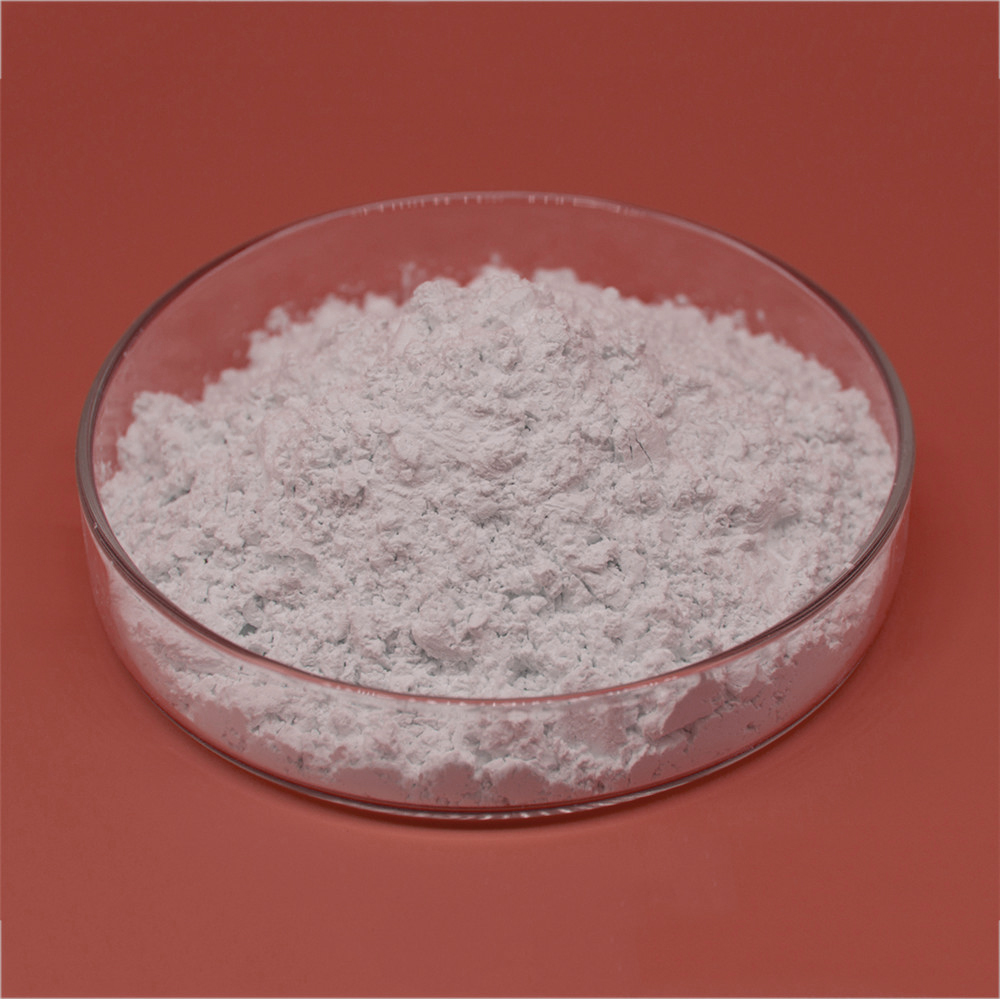
Loose Micropowder (Polishing Powder): A fine powder mixed with water or a polishing compound to form a slurry. Applied with a felt or synthetic polishing pad. This form is very common for the final 3000#+ polishing steps.
Critical Reminders:
Progression is Mandatory: You cannot jump from a 200# grit directly to a 3000# grit. Each step must remove the scratches from the previous, finer step.
Equipment Matters: The grit must be matched with the correct polishing machine (speed, weight), polishing pad (hardness, material), and technique (wet vs. dry, pressure).
Always Test First: Test your chosen grit sequence on a small, inconspicuous area of the stone to perfect your method before full-scale work.
Quick Answer Summary:
For the final polishing stage to achieve a mirror finish:
Marble: 3000 grit is standard.
Granite: 3000 grit followed by 6000 grit is the industry standard for high-quality work.